

Be Our Guest: Food Preservation Part I
Charcutier Sean Cannon is opening his first restaurant, Nape, in London this month. Born and bred in Norfolk, Sean told the Guardian how growing up in a self-sustaining community influenced his cooking. His best kept secret – preserving.
“Whether it’s killing an animal and having lots of fresh meat, or early summer and everything is ripe, knowing what to do with a glut is key.” Cannon said.
If you live off-grid you’ll know that preserving food for future use is essential. Not only does it provide food security, but also allows you to taste sweet summer berries in the winter. By doing this age old tradition, it also stops more modern thoughts and concerns of “what is actually in my food?” If you do the preparing and the preservation, you know exactly what has gone into the food you will be eating.
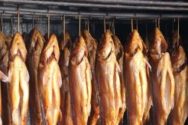
There are many ways to preserve food including canning, freezing, dehydrating and smoking.
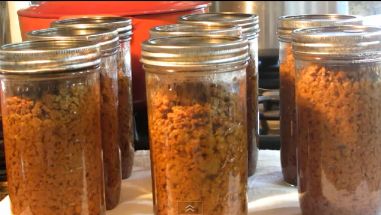
Canning is a valuable and low-tech way to preserve food. There are two main methods for this, either water bath canning or pressure canning. It is worth noting that water bath canning should only be done for acidic fruits, such as berries and apples. If canning other produce such as meats and vegetables, pressure canning should be used; otherwise there is a high risk of food poisoning.
The basic process is to heat water in your canner (or large pan if water bath canning). This should not be filled to the top; 3-5 inches should be left for your jars of food. Jars should have lids secured and be placed carefully into the canner, being careful not to knock other jars, as they could crack or break under the high temperatures. The jars should be immersed in the canner with the water just covering the lids. The canner lid should be locked in place if pressure canning and the jars left for as long as needed according to the recipe. After the required time, the canner should be allowed to depressurise if using a pressure canner, before the jars are removed. Heat protection and necessary precautions should be taken to ensure you do not burn yourself. The jars should then be left to cool and seal for a minimum of 12 but ideally 24 hours. The sound of popping and pinging will mark your canning success!
Canning is so popular because of the wide variety of foods that can be preserved this way and the length of time they will remain edible for. Plus there’s no worry of keeping food frozen or cool!
Canning does however come with an initial start-up cost. If you’re only looking to preserve fruits and jams, then water bath canning in a large pan is of course an economical way to go. However, if you’re looking to preserve a wider variety of foods which includes meat and vegetables, …
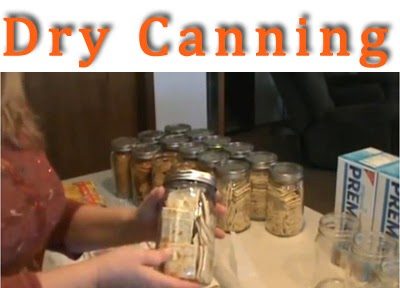
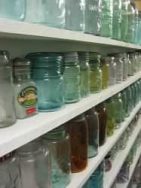
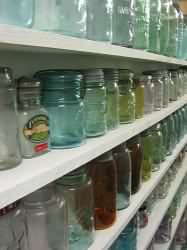 No, I’m not talking about your last job… I’m talking about canning. It’s all but becoming a lost art. But it doesn’t have to be a mystery. I read a great article all about canning, this is about the basics, what you will need to get started, how to determine how many canning jars, rings and lids you will need. This is the part that most canning manuals don’t tell you about. Enjoy.…